

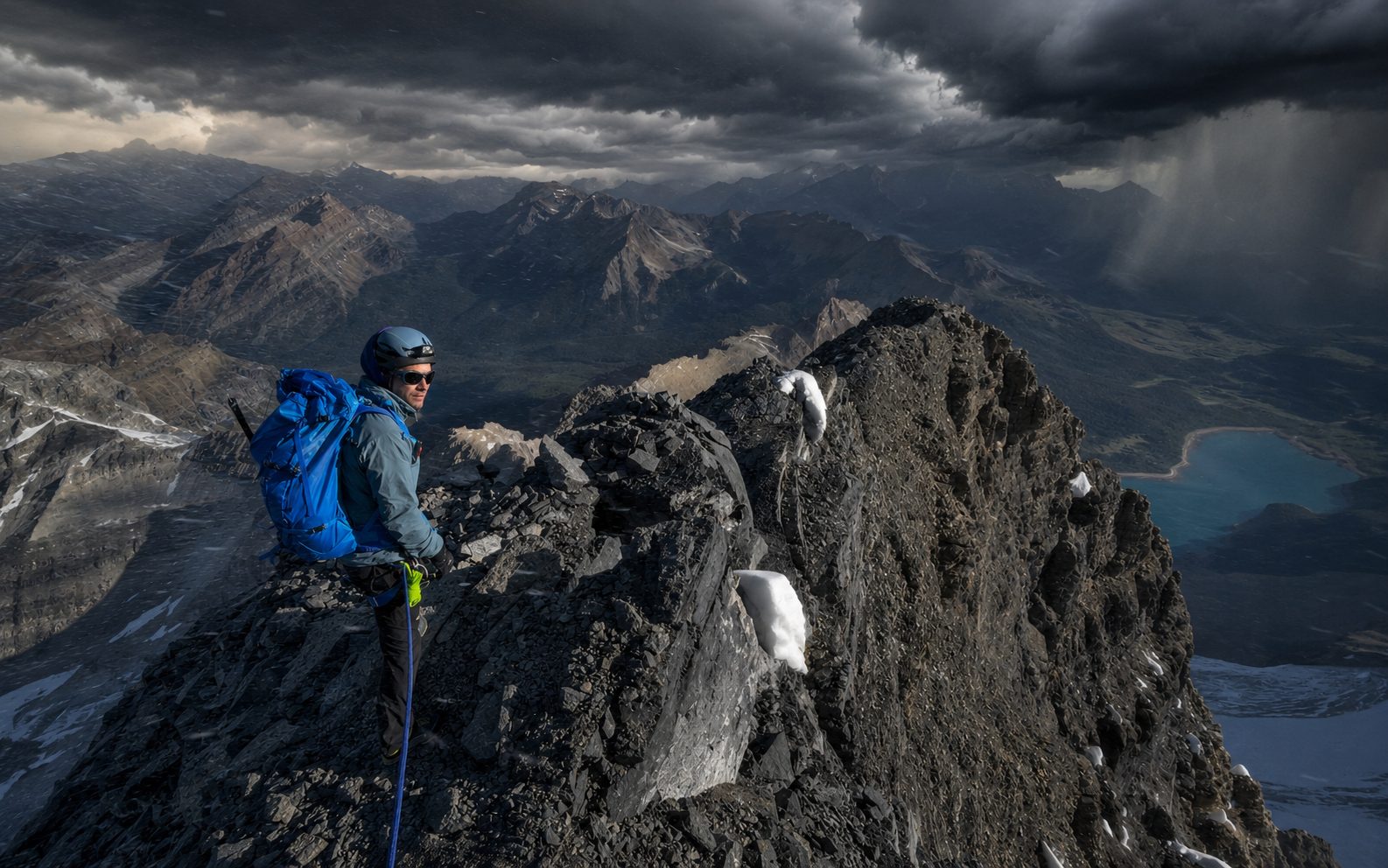
When planning a mountain adventure, most of us check the weather forecast before heading out. But experienced mountain travellers know that forecasts are only part of the story. Conditions can change rapidly in the Rockies, and that’s where field nowcasting becomes an essential skill.
Field nowcasting is the practice of observing current weather conditions and recognizing signs of what is likely to happen in the next few hours. Rather than relying solely on a forecast created hours earlier, nowcasting helps you make informed decisions based on what you are seeing, feeling, and experiencing in the moment.
Some common indicators include:
- Building clouds that become taller and darker throughout the morning
- Increasing wind speeds, especially on ridges and summits
- Rapid temperature changes
- Developing lenticular clouds over mountain peaks
- Distant thunder or visible precipitation moving toward your location
- Falling barometric pressure, often measured by outdoor watches, which can indicate an approaching low-pressure system and deteriorating weather conditions
Our guides constantly use these observations to assess changing conditions. A clear morning can quickly evolve into afternoon thunderstorms, strong winds, or reduced visibility. Recognizing these patterns early can help determine whether to continue, adjust objectives, or turn around.
One of the most valuable habits is simply looking up and paying attention. Ask yourself:
- Are the clouds growing or dissipating?
- Is the wind increasing?
- Are conditions changing faster than expected?
- If the weather worsens, what is my backup plan?
Field nowcasting isn’t about predicting the weather perfectly. It’s about developing awareness and making better decisions as conditions evolve. In mountain environments, terrain often shapes weather in surprising ways. A good working knowledge of these local effects is key to accurately interpreting what you observe in the field.
The mountains are dynamic environments, and learning to read the signs around you can improve both safety and enjoyment. The more time you spend observing the sky, the terrain, and the weather’s subtle clues, the more confident you’ll become in understanding what the mountains are telling you.
Tip: Before your next adventure, challenge yourself to identify three weather changes throughout the day and compare your observations to what actually happens. It’s one of the best ways to build practical mountain judgment.
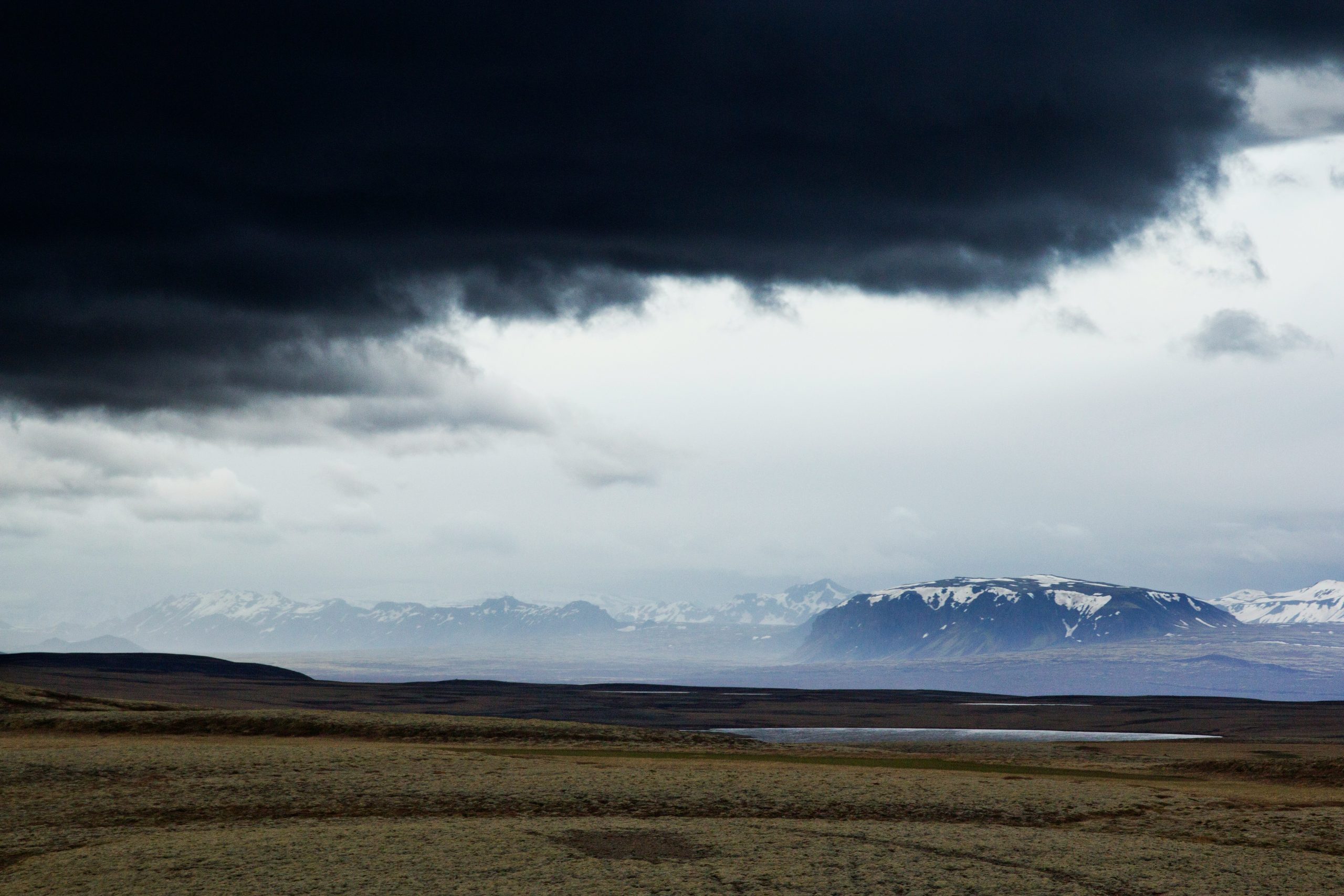
A Final Thought: While field nowcasting is a valuable skill, it takes time and experience to develop. Local mountain guides spend years observing how weather interacts with specific peaks, valleys, ridges, and passes. Their knowledge of regional weather patterns, terrain effects, and changing conditions can provide invaluable insight when planning and undertaking mountain adventures. Whether you’re exploring a new area or tackling a challenging objective, leveraging the expertise of a local guide can help you make more informed decisions and enjoy a safer, more rewarding experience.
Resources
- Parks Canada Mountain Safety Program
- Avalanche Canada
- Insights from Yamnuska Mountain Adventures ACMG guides and instructors
Leave a Reply